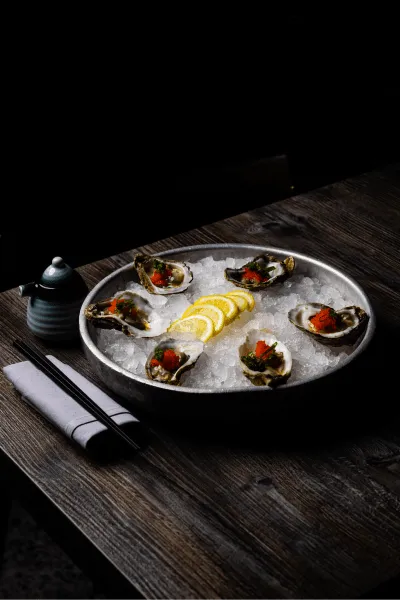



First Time at an Omakase Restaurant in San Diego? 10 Things to Know Before You Go
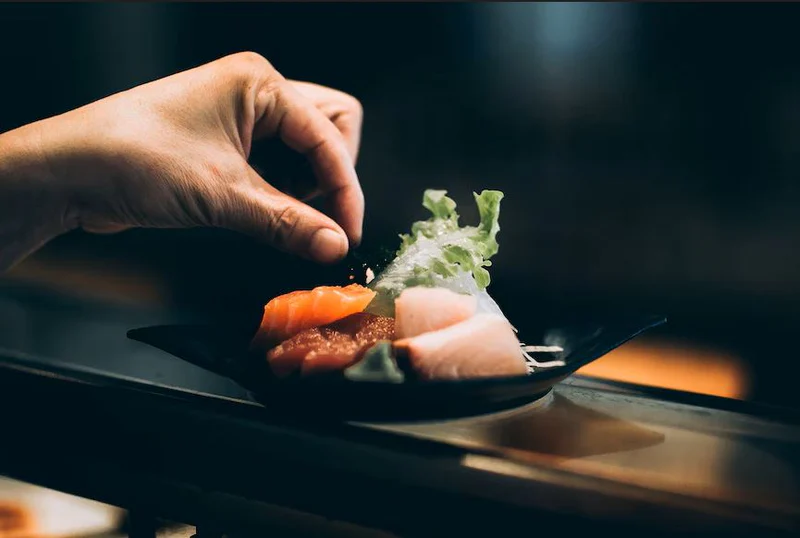
So you’ve decided to try omakase for the first time. Good call.
So you’ve decided to try omakase for the first time. Good call.
Here’s the thing about omakase. It’s a Japanese culinary experience where you don’t order anything. You sit down, the sushi chef takes over, and you eat whatever they think is best that night. The word itself loosely translates to “I leave it up to you” and that single phrase tells you almost everything about how the meal works. It’s why omakase dining in San Diego has become one of the most talked-about restaurant experiences in the city, from La Jolla to Carmel Valley to Del Mar.
It sounds simple, but the first time can feel a little intimidating. Do you eat with your hands? Is it rude to ask questions? What if you don’t recognise half of what shows up on your plate?
Don’t overthink it. Below are 10 things every first-timer should know before walking into an omakase restaurant in San Diego. Whether you’re searching for “omakase near me” or you’ve specifically been pointed toward omakase in Del Mar, read through, then go enjoy your meal.
1. Book Your Reservation in Advance
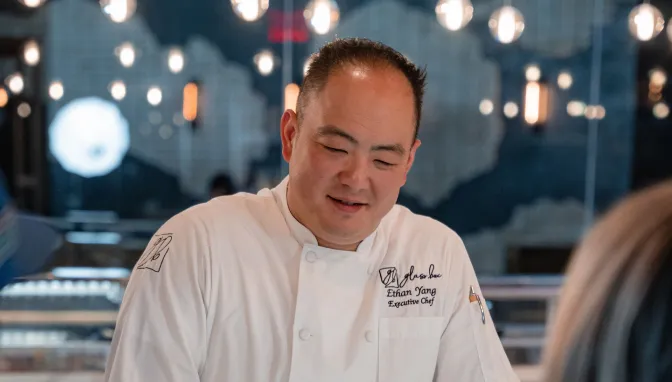
Omakase counters are small by design. Most sushi restaurants in San Diego offer an omakase experience seat anywhere from six to twelve guests at a time. At Glass Box at Sky Deck Del Mar, the counter is intentionally intimate, which means seats go fast, especially on weekends when Del Mar Highlands fills up.
Book at least 1 to 2 weeks ahead. For holidays, summer weekends in Del Mar, or special events at Sky Deck, plan a month out. Securing a seat at the counter lets you watch the chef at work, hear the story behind each course, and feel the full rhythm of a chef-driven dinner in North County San Diego.
2. Inform the Restaurant About Allergies and Dislikes
Tell them when you book, not when you arrive.
Our chefs at Glass Box SD source fish in advance, often directly from the boats supplying the freshest catch available to Del Mar and the wider San Diego coast. The menu is partly built before you walk in. Mention any allergies, restrictions, or strong dislikes at the time of booking, and the chef will adjust your courses without disrupting the flow of the meal.
3. Plan for 90 Minutes to 2 Hours
Omakase is not a quick dinner.
At Glass Box Del Mar, our Exploration experience (10 courses) runs around 90 minutes. The Wonderment (15 courses) stretches closer to 2 hours, sometimes longer if the conversation is flowing. The chef paces each course based on how you’re eating and how engaged the room is. Don't book it before a movie or between meetings. Give the meal the time it needs.
4. Trust the Chef's Expertise
This is the heart of the whole thing.
Omakase is a menu-free experience. There’s no list to scan, no decisions to agonise over, no asking what’s good tonight. You sit down, and the chef decides that’s the entire model. It’s what separates the best omakase experiences in San Diego from a standard sushi dinner. Don’t ask what’s coming next. Don’t request swaps mid-meal. Let the chef lead. The progression usually light fish moving to richer cuts, finishing warm has been timed on purpose.
5. Hands or Chopsticks? Both Are Acceptable
Use whatever feels comfortable.
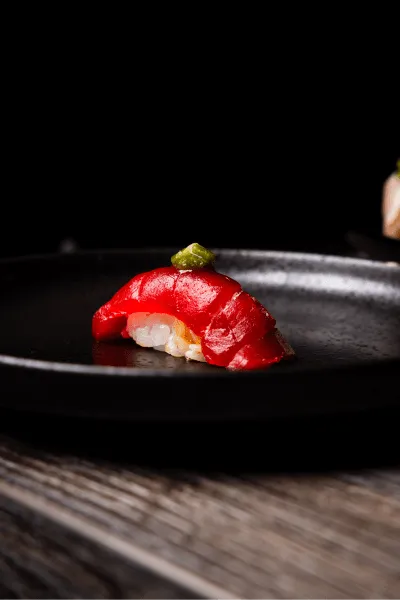
Traditionally, nigiri (the rice-and-fish pieces) is eaten with your fingers, the rice holds together better when you flip it, and the fish stays where it should. Sashimi is eaten with chopsticks. Hand rolls are eaten immediately, by hand, before the seaweed softens. But honestly, no chef at a great sushi counter in San Diego will judge you for using chopsticks throughout. Pick what works for you.
6. Eat Each Piece in One Bite
Don't cut it in half.
Sushi is engineered to be eaten in a single bite. The chef sized it for your mouth. Cutting a piece of nigiri in half breaks the structure the chef just built. The rice falls apart. The seasoning leaks out. The flavor balance the chef carefully designed gets ruined. For the best experience, take the whole bite at once.
7. Eat Each Piece the Moment It Is Served
Sushi has a 30-second window.
When the chef at our Del Mar counter places a piece in front of you, the rice is at the perfect temperature. The fish is at its peak texture. The seasoning is alive. Wait too long and the rice cools, the fish softens, and the careful work just done starts to fade. Pick it up and eat it. Enjoy the moment, then wait for the next course.
8. Dip the Fish Side Into Soy Sauce, Not the Rice
Most pieces served at Glass Box SD are already seasoned by the chef, so go light, or skip the soy entirely. If a piece needs it, the chef will say so or leave a small dish as a hint. When you dip, gently turn the piece so only the fish touches the sauce. A light, quick brush, never a soak. Dunking the rice pulls in too much salt and causes the sushi to collapse.
9. Ask Thoughtful Questions
Omakase is uniquely built on a direct connection between you and the chef, so don’t hesitate to engage. Asking about the fish’s origin, aging process, or preparation shows a genuine appreciation for the craft and often unlocks fascinating stories about the ingredients. To keep the experience seamless, avoid asking what’s coming next to preserve the element of surprise, and try to time your questions for when the chef makes eye contact during plating rather than during moments of intense knife work. A simple "this is incredible, what is it?" is usually all the opener you need.
10. Use Ginger to Cleanse Your Palate
That little pile of pickled ginger on your plate? It's not a topping.
Pickled ginger is a palate cleanser. You eat it between pieces of fish, not on top of them. A small bite of ginger resets your taste buds so the next piece hits clean, without lingering flavor from the last.
Putting ginger on top of a piece of nigiri is one of the most common first-timer mistakes. It overpowers the fish, masks the chef's seasoning, and tells the chef you're not really tasting what they're serving.
A few small bites of ginger between courses. That's all you need.
Ready for Your First Omakase in San Diego?
That's it. Ten tips. Now you're ready.
Book ahead. Tell them about allergies. Block off 2 hours. Trust the chef. Eat each piece in one bite, the moment it's served. Go light on the soy sauce. Use the ginger between pieces. Ask good questions. And pay attention to what's in season.