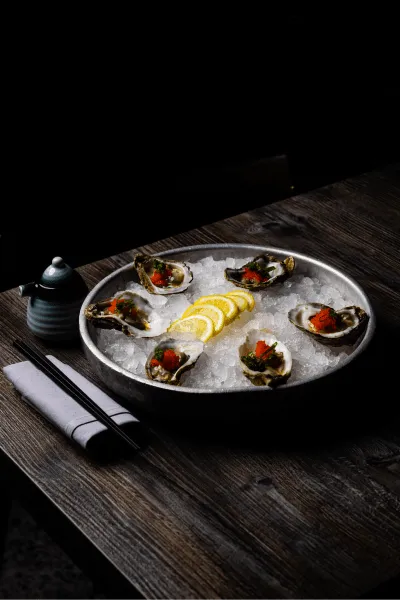



Omakase Experience in San Diego: What to Expect & Where to Go
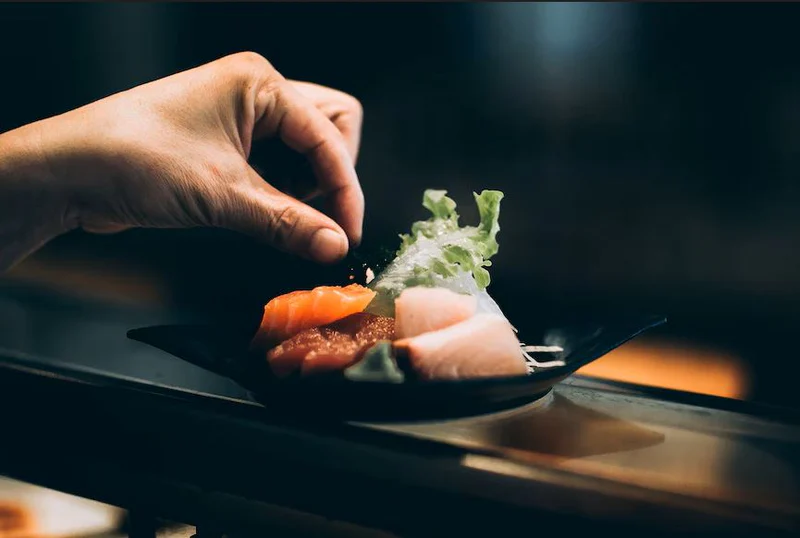
Omakase San Diego: What to Expect & Where to Go
There's a moment — somewhere between the third and fourth course — when you stop wondering what comes next and simply surrender to it. That's omakase. Translated from Japanese, it means "I leave it up to you," and it's one of the most intimate, thoughtful dining experiences a chef can offer.
San Diego has quietly evolved into one of Southern California's most serious food cities. With a thriving Japanese culinary scene, unmatched access to Pacific seafood, and a growing appetite for premium dining, the omakase experience in San Diego has never been more refined — or more in demand.
Whether you're new to omakase or searching for your next great meal, this guide covers everything you need to know. And if you're looking for where to experience it at its absolute finest, Glass Box San Diego is worth keeping in your sights.
What "Omakase" Really Means
The word omakase comes from the Japanese verb makaseru — meaning to entrust or leave in someone else's hands. At its core, it's the ultimate act of culinary trust. You sit down, and the chef decides everything.
But omakase is more than just a tasting menu. It's a living, breathing expression of a chef's philosophy, skill, and seasonal awareness. Every dish is constructed around what's freshest and finest that day.
Omakase vs. regular sushi: Traditional sushi lets you order from a menu. Omakase removes that control entirely — and that's the point. You're stepping into a chef's creative vision: a cohesive narrative told through each course.
Premium ingredients are non-negotiable. A5 Wagyu, bluefin toro, uni from Hokkaido, and seasonal fish from Tokyo’s Toyosu Market — the sourcing standard at a great omakase is closer to fine dining than what most people think of as “going out for sushi.”
What to Expect from an Omakase Experience in San Diego
First-timers often arrive wondering what, exactly, they've signed up for. Here's how a great omakase San Diego evening typically unfolds.
A MULTI-COURSE DINING EXPERIENCE
A typical omakase runs between 10 and 20 courses, progressing from lighter preparations toward richer ones. Chilled appetizers and sashimi give way to nigiri, cooked dishes, then dessert. The pacing is deliberate — each plate arrives when it's exactly right.
CHEF INTERACTION AND PERSONALIZATION
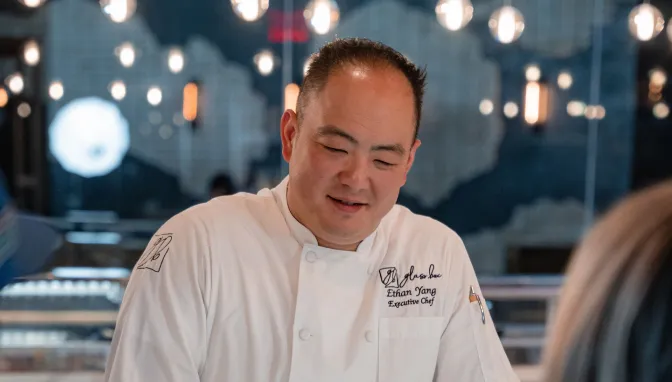
Counter seating places you directly in front of the chef. That closeness creates genuine conversation about the fish, the technique, and the story behind each ingredient. Good omakase chefs read the room and adjust throughout the meal.
PREMIUM SEAFOOD AND INGREDIENTS
San Diego's position on the Pacific gives it a natural edge. The best premium sushi San Diego restaurants supplement local sourcing with imports from Japan: toro, ikura, and rare preparations that shift weekly.
PRESENTATION, PACING, AND AMBIANCE
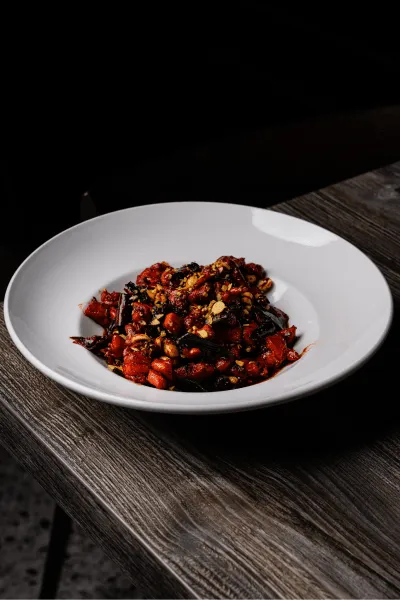
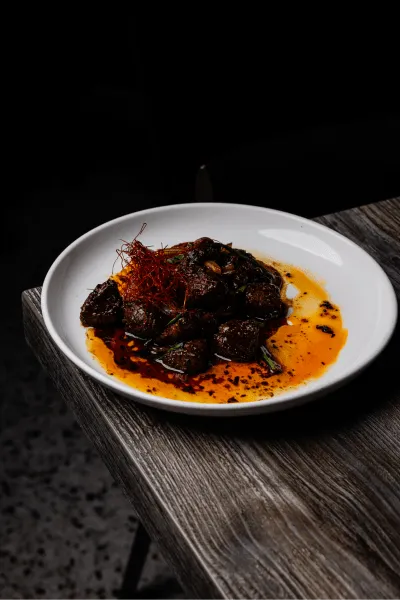
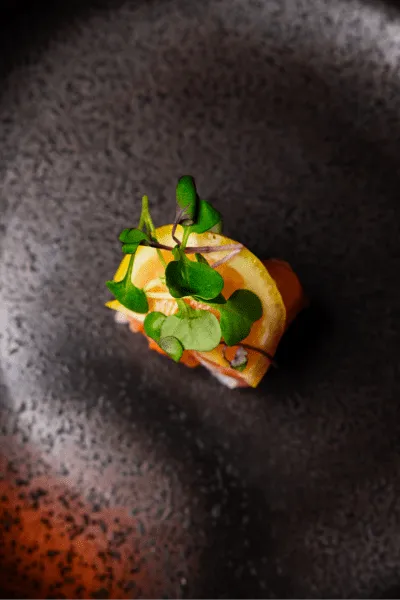
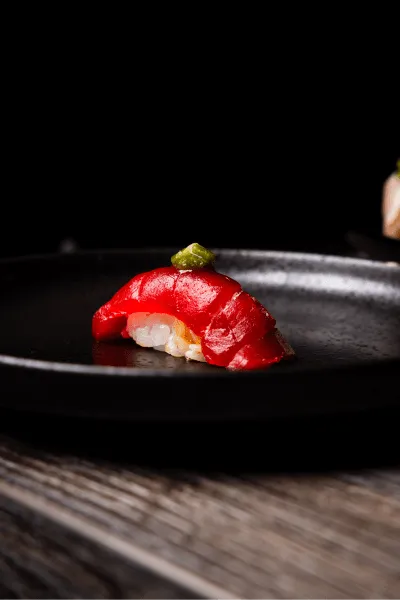
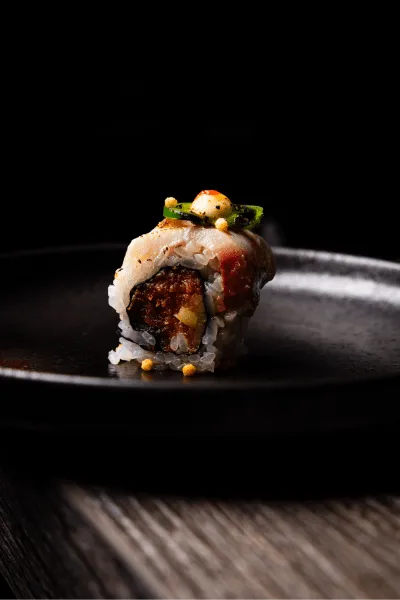
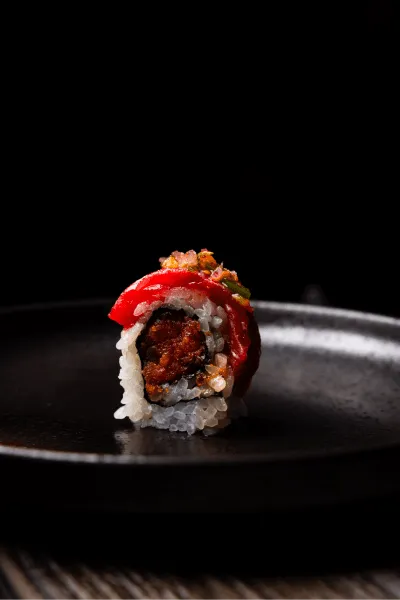
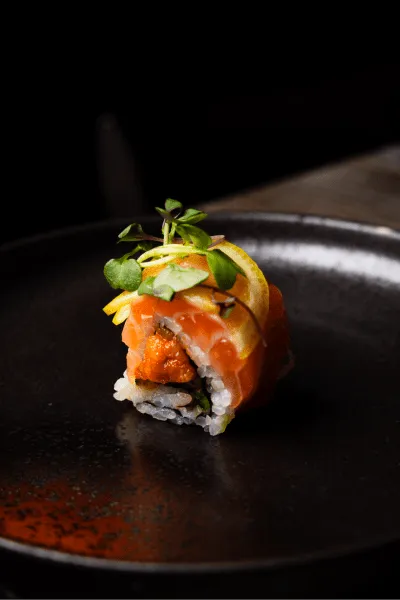
Omakase is as visual as it is edible. Nigiri placed at precise angles, sashimi on ceramics chosen to complement the fish. Even rice temperature — body temperature, traditionally — is part of the craft.
Why Omakase is Growing in San Diego
San Diego's food scene has undergone a genuine transformation over the past decade. The city once best known for fish tacos and craft beer now houses some of the most sophisticated restaurants on the West Coast.
San Diego diners have become more adventurous — exposure to Japanese cuisine through travel and social media has created real demand for an experience beyond the standard sushi roll.
The coastal location is a genuine asset. San Diego's proximity to premium Pacific seafood means chefs can source with a freshness that landlocked cities cannot match.
And finally, there's the broader cultural shift toward experience-driven dining — people spending less on things and more on moments. An omakase experience in San Diego is exactly the kind of memory that mindset demands.
Where to Experience Omakase in San Diego
San Diego's omakase scene is intentionally intimate — and that's part of what makes it special.
Sushi Tadokoro (Ocean Beach) — a traditional, no-frills omakase rooted deeply in Japanese technique. The kind of place regulars protect like a secret.
Himitsu (Gaslamp Quarter) — a modern counter with an impressive sake program, appealing to a trend-aware crowd without sacrificing quality.
And then there's Glass Box San Diego — which operates on an entirely different level.
FEATURED EXPERIENCE
Glass Box San Diego — Omakase at the Sky Deck, Del Mar
Perched in Del Mar with sweeping views and a design concept unlike anything else in San Diego, Glass Box is where the Del Mar omakase experience reaches its peak.
The glass-walled Sky Deck opens to sky and landscape, creating an environment where food, view, and atmosphere exist in rare harmony. It feels less like a restaurant and more like an elevated pause from everything else.
The omakase at Glass Box is chef-driven and seasonally focused. The sushi craftsmanship is exceptional — each piece of nigiri a study in balance, texture, and restraint. Nothing overdone. Nothing wasted.
For a milestone dinner, a date night that means something, or any occasion where the experience must match the moment — if you've been searching for the best omakase San Diego has to offer, a seat at Glass Box is the answer.
Tips Before Booking an Omakase Experience
First-timers and regulars alike benefit from going in prepared:
- Make reservations early. Omakase counters are small — often 8 to 12 seats. For Glass Box, booking two to three weeks ahead is standard.
- Trust the chef completely. Communicate dietary restrictions when booking. Beyond that, let go entirely.
- Arrive on time. The first course is often served simultaneously. Arriving late disrupts the experience for everyone.
- Keep fragrance minimal. Strong perfumes compete with the subtle aromatic qualities of premium fish and aged rice vinegar.
- Stay open to new flavors. The best bites are often the unexpected ones.
Why Glass Box Stands Out for Omakase in San Diego
There are good omakase restaurants in San Diego. Glass Box is in a different conversation.
The Sky Deck location in Del Mar provides inherent drama — the kind of backdrop that elevates a meal before a single course arrives. The glass design concept creates openness and lightness that feels modern without being cold.
Direct supplier relationships mean that what arrives at the counter on a Friday night was pulled from the water earlier that week.
For anyone serious about the finest sushi omakase near me in San Diego, Glass Box isn't just a recommendation — it's the standard.
Your Omakase Experience Starts Here
Omakase is not a meal. It's an agreement — between a chef and a guest — that something exceptional is about to happen. In San Diego, with its extraordinary access to Pacific seafood, the conditions for a world-class omakase San Diego experience have never been better.
The city has a handful of worthy venues. But if you're looking for the one that delivers all of it — the ambiance, the craft, the ingredients, the view — Glass Box San Diego is where that search ends.
Come hungry. Come curious. And book your reservation before someone else takes your seat.
Frequently Asked Questions
What is omakase dining?
Omakase is a Japanese dining style where the chef selects every course. The word means 'I leave it up to you' — the guest entrusts the entire experience to the chef's judgment.
How much does omakase cost in San Diego?
Typically $95–$250+ per person depending on the restaurant and ingredient quality. Premium venues like Glass Box San Diego reflect the caliber of sourcing and experience they deliver.
Is omakase worth it?
For diners who value exceptional ingredients, culinary craftsmanship, and immersive dining, absolutely. The combination of personalization, proximity to the chef, and quality creates something most restaurant visits can't match.
Do you need reservations for omakase in San Diego?
Yes — always. Omakase counters are small and demand outpaces availability. For Glass Box San Diego, book as far in advance as possible, especially for weekends.
What should I wear to an omakase dinner?
Smart casual to upscale is appropriate. At Glass Box, dressing well honors the experience — it signals the same care the chef put into preparing it.
Frequently Asked Questions