


Best Japanese Restaurant in San Diego: Sushi, Sashimi, Omakase & More

If you've been searching for the best Japanese restaurant in San Diego, you already know the city has become a genuine destination for sushi, sashimi, and omakase dining. From casual sushi counters to waterfront spots downtown, San Diego's Japanese food scene rewards a little research before you pick where to eat. This guide walks through what makes Japanese cuisine special, the dishes worth ordering, and how to choose a Japanese restaurant in San Diego that fits your taste and occasion.
Why San Diego Is a Great Destination for Japanese Cuisine
San Diego's proximity to the Pacific Ocean means restaurants have reliable access to fresh, high-quality seafood, a cornerstone of authentic Japanese cuisine. The city's diverse population has also supported a wide range of Japanese dining options, from casual ramen shops to formal omakase counters. That combination of good seafood sourcing and a food-curious community has made San Diego a genuine option for people looking for a Japanese restaurant, not just an afterthought next to tacos and craft beer.
What Makes a Great Japanese Restaurant?
A great Japanese restaurant balances a few core things: ingredient quality, chef skill, and hospitality. Fresh, properly sourced fish matters more in Japanese cooking than almost any other cuisine, since so many dishes serve seafood raw or lightly prepared. Skilled chefs who understand knife work, rice temperature, and seasoning make the difference between an average roll and a memorable piece of nigiri. Finally, Japanese hospitality, known as omotenashi, shapes the overall experience, from how you're greeted to how food is presented at the table.
Popular Japanese Dishes You Should Try
Japanese menus can look overwhelming if you're not familiar with the terms, so here's a rundown of the dishes you're most likely to see, and what actually sets each one apart.
Sushi
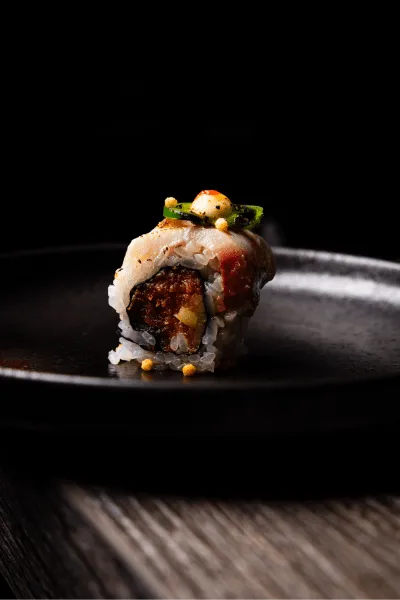
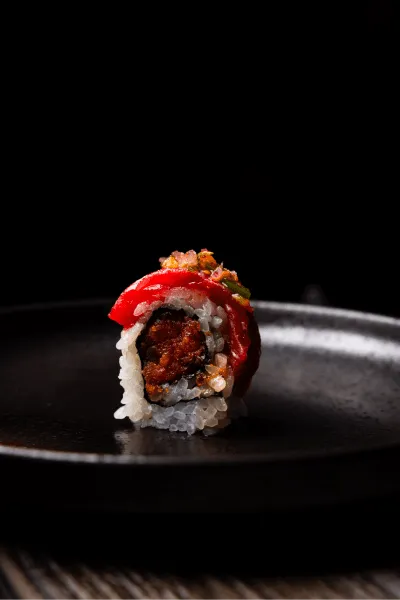
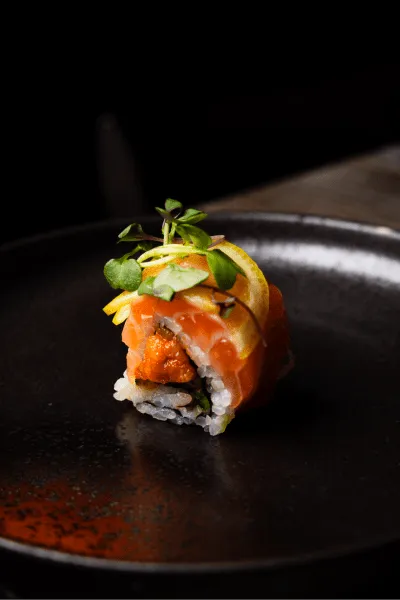
Sushi refers broadly to vinegared rice paired with seafood, vegetables, or egg, served as rolls, hand rolls, or individual pieces. It's the most recognizable Japanese dish internationally and a good starting point for newer diners. Specialty rolls, which mix multiple ingredients and sauces, tend to be more approachable for first-timers, while simpler rolls let the fish itself do the talking.
Sashimi
Sashimi is thinly sliced raw fish or seafood served without rice. Because there's nothing to hide behind, sashimi quality depends entirely on the freshness of the fish and the precision of the cut. It's often served with a small amount of soy sauce and wasabi on the side, rather than mixed in.
Nigiri
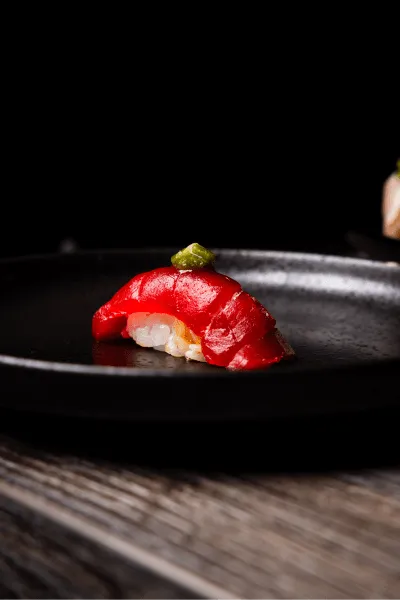
Nigiri is a hand-formed mound of seasoned rice topped with a slice of fish or seafood, sometimes with a touch of wasabi between the two. It's often considered a purer test of a sushi chef's skill than a specialty roll, since the rice temperature and seasoning have nowhere to hide.
Omakase
Omakase means "I'll leave it up to you," and it's a chef-curated tasting menu built around the best seasonal ingredients available that day. It's a good option for diners who want to try a Japanese chef's best work without ordering item by item.
Tempura
Tempura is lightly battered and fried seafood or vegetables, prized for a thin, crisp coating that doesn't overwhelm the ingredient inside. It's often served on its own or alongside a bowl of rice or noodles.
Ramen
Ramen is a noodle soup built on a rich broth base, typically pork, chicken, or miso, topped with ingredients like sliced pork, soft egg, and scallions.
Udon
Udon features thick, chewy wheat noodles usually served in a lighter broth than ramen, making it a comforting, simpler option on the menu.
Miso Soup and Bento Boxes
Miso soup, made from fermented soybean paste, usually shows up as a starter or a side, and it's a good indicator of a kitchen's attention to detail even in small dishes. Bento boxes bundle several items together, often a protein, rice, and a few smaller sides, which makes them a practical option for a full meal without ordering multiple separate dishes.
How to Choose the Best Japanese Restaurant in San Diego
With so many options across the city, a short checklist can help narrow things down.
- Check if the restaurant sources fresh, seasonal seafood
- Look for a sushi chef with visible experience or training
- Read recent reviews for consistency, not just one great visit
- Consider whether you want a casual meal or an omakase experience
- Check the menu for balance between raw dishes and cooked options like tempura or ramen
- Confirm the restaurant's location fits your day, whether that's downtown, the coast, or closer to home
Best Areas in San Diego for Japanese Dining
San Diego is a big city, so where you eat often depends on which part of town you're in. If you're staying downtown, you'll find Japanese restaurants there, which works out well for business travelers or anyone visiting the Gaslamp Quarter and nearby hotels. Head north along the coast and the scene changes a bit. La Jolla tends to have a more upscale feel, often with restaurants that play up the ocean views. Del Mar has a similar coastal setting but with a more laid-back, beach-town vibe. And if you're out in North County, cities like Carlsbad and Encinitas have their own neighborhood spots, generally more low-key than what you'd find closer to downtown.
Why Fresh Ingredients Matter in Japanese Cuisine
Because so much of Japanese cuisine relies on raw or lightly cooked seafood, ingredient freshness isn't just a preference, it's central to the food's safety and flavor. Seasonal ingredients also matter: many traditional Japanese menus shift with the seasons to reflect what's freshest, a practice tied to broader Japanese food culture. When a restaurant emphasizes seasonal, well-sourced ingredients, it usually reflects a deeper commitment to the cuisine rather than a shortcut menu.
Frequently Asked Questions