


Chicken Skewers and Sushi: The Perfect Pairing for a Flavorful Meal
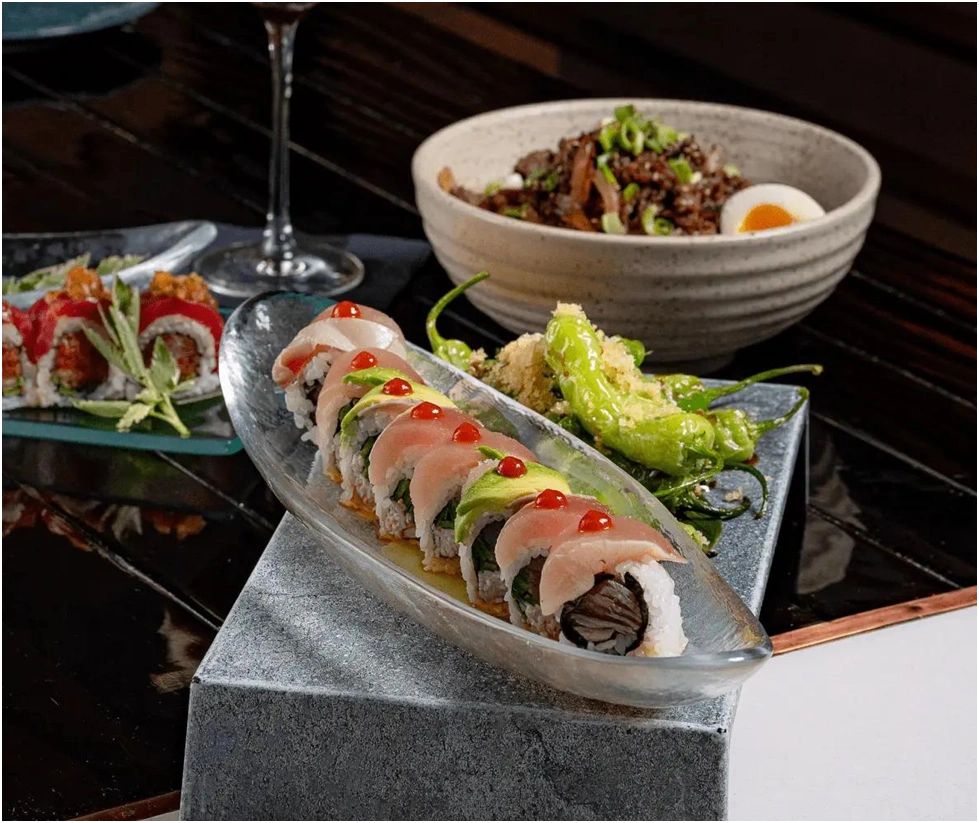
Sushi usually gets top billing. You sit down at a Japanese restaurant and the mental picture is a board of nigiri, a roll or two, a small dish of soy sauce off to the side. But most Japanese-inspired menus have a grilled section sitting right there, and chicken skewers are one of the easiest things on it to put next to raw fish.
The interesting part isn’t that both taste good on their own — plenty of good foods don’t belong on the same table. Chicken skewers and sushi work because almost everything about them sits at opposite ends of a scale: hot grill against cool rice, browned and smoky against clean and delicate. Get the proportions right and each makes the other taste more like itself.
Why Do Chicken Skewers and Sushi Work Together?
Four things do most of the work.
- Temperature: Grilled chicken arrives warm, sometimes still steaming. Sushi is served cool or just below room temperature. Moving between the two keeps your palate paying attention a long run of dishes at the same temperature starts to blur after a few bites, no matter how good each one is.
- Texture: Grilled chicken gives you tender meat with firm, browned edges where the heat caught it. Sushi runs softer: yielding rice, silky fish, creamy avocado. Your mouth is doing something different from course to course, which is a large part of why a meal feels satisfying rather than repetitive.
- Flavor: Grilling creates savory, faintly bitter browned notes that raw fish doesn’t have. Fish brings its own savory depth umami, the same background richness found in soy sauce and dried bonito but quieter and cleaner. Two sources of savoriness sit side by side without competing.
- Richness: Chicken skewers, especially thigh meat with a glaze, carry fat and a little sweetness. Most sushi is comparatively lean. A meal built entirely from rich dishes gets heavy by the fourth bite; one built entirely from lean dishes can feel thin. Alternating solves both.
What Makes Chicken Skewers So Good With Sushi?
A good skewer starts with high, dry heat. Japanese charcoal burns hot with very little smoke or flare-up, browning the outside quickly while the inside stays juicy. You want light charring at the edges and a smoky note that’s present but not dominant heavy smoke rolls straight over delicate fish.
Seasoning matters just as much. Skewers are generally finished one of two ways: with salt, or with a soy-based glaze. Salt-only skewers taste more directly of the chicken and the char, which makes them the most flexible partner for sushi. Glazed skewers bring soy, sugar, mirin and often garlic, and that sweetness lingers longer than you’d expect.
The practical takeaway: the more heavily sauced your chicken, the simpler your sushi should be.
What Sushi Goes Best With Chicken Skewers?
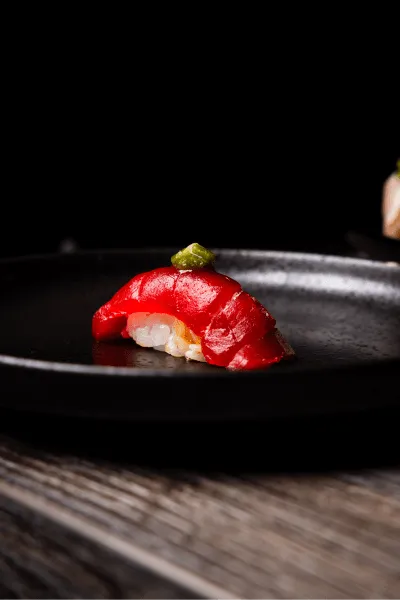
Nigiri
Simple nigiri is a natural fit there’s nothing between you and the fish except a small amount of rice. Salmon, tuna, yellowtail and shrimp all hold their own next to grilled chicken, for different reasons: oilier fish has the richness to stand up to smoke, while leaner cuts give a cleaner break between bites. There’s no single best choice, only whether you want contrast or continuity.
Sashimi
Sashimi is the cleanest contrast available. Without rice to buffer it, the fish reads cooler, softer and more distinctly of itself, which makes it useful as a reset between skewers — particularly if the chicken is glazed.
California-Style Rolls
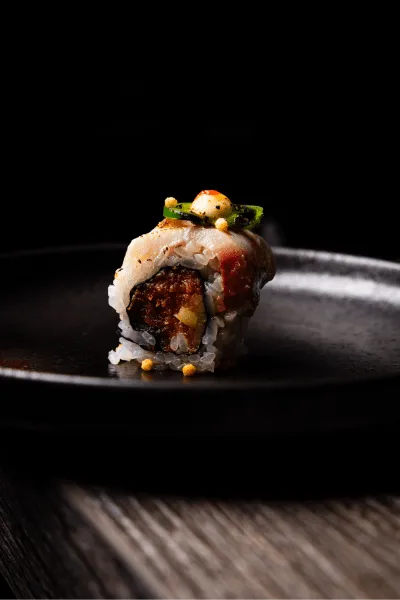
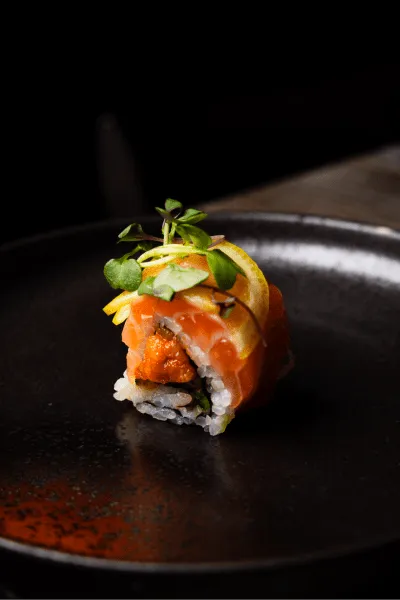
Rolls built around avocado, cucumber and crab sit comfortably in the middle — mild, slightly creamy and undemanding, which makes them an easy companion to a stronger grilled dish. If nigiri feels too delicate next to charred chicken, this is the adjustment to make.
Spicy Tuna or Spicy Salmon Rolls
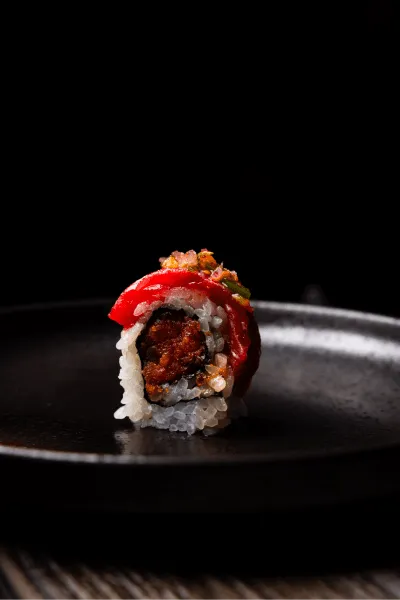
Spicy rolls make for a bolder meal. The catch is that chili heat and a heavily sauced skewer are both loud, and two loud dishes back to back flatten each other out. If you want spicy rolls, salt-grilled chicken is the better partner.
Tempura Rolls
Tempura rolls bring crunch and fried richness, often with a sauce on top. Crisp against tender works well next to grilled chicken; the risk is weight. If you order one, balance it with sashimi or plain nigiri rather than doubling down on another rich item.
How to Build a Balanced Sushi and Chicken Skewer Meal?
A sequence that works for two people or a table of six:
- Start light: Edamame, cucumber salad, seaweed salad or a few pieces of sashimi. This sets a clean baseline before anything rich shows up.
- Add the grilled element: Order the skewers to arrive with or shortly after the first sushi, not at the very end when they’ll feel like a second dinner.
- Add one simple sushi option: Nigiri or sashimi the palate reset that keeps the meal from tipping heavy.
- Add one more flavorful roll: A spicy or tempura roll, if you want one. One is usually enough.
- Finish with something refreshing: Green tea, a citrus-dressed salad or a light dessert. Anything clean or acidic clears the last of the glaze.
The order matters more than the specific dishes. Light, then rich, then light again.
How Sauces Can Change the Pairing?
Sauce is the variable people underestimate. Yakiniku and other soy-based glazes are sweet, salty and coat the palate. Soy sauce is salty and sharp; ponzu adds citrus, which cuts richness; spicy mayo is creamy and heat-forward; wasabi is brief and clears everything in its path.
The useful rule: the loudest sauce on the table sets the ceiling for everything else.
A strongly glazed skewer pairs better with plain nigiri or sashimi and a light touch of soy. A salt-grilled skewer leaves room for a spicy roll or a heavier dressing. With two sauced dishes already on the table, a squeeze of citrus does more than a third sauce would.
Chicken Skewers, Sushi and the Importance of Texture
Texture is what makes a meal feel designed rather than assembled. A well-built table here can include tender grilled chicken, crisp charred edges, soft sushi rice, silky raw fish, crunchy tempura, creamy avocado and crisp cucumber seven distinct sensations across a handful of dishes.
That range is also why the pairing survives ordering mistakes. Even when the flavors lean one way, the textures keep things interesting.
Is This a Good Combination for Sharing?
It works well for groups because it removes the pressure to agree. Skewers, nigiri, sashimi, rolls and small plates can all land in the middle of the table at once, and everyone builds a plate from what’s there. Someone who doesn’t eat raw fish has a warm, familiar option while everyone else orders freely. Ordering in rounds rather than all at once helps too: it keeps the grilled items hot and lets you adjust as you go.
Chicken Skewers and Sushi for Different Types of Diners
If you prefer lighter flavors: sashimi, simple nigiri and salt-grilled chicken. Keep sauces minimal and let the ingredients carry the meal.
If you prefer bold flavors: glazed skewers, spicy tuna or salmon, and rolls with stronger dressings. Add one clean dish in the middle so nothing gets muddy.
If you like crispy textures: grilled chicken with well-charred edges plus tempura rolls. Pair with something cool and simple so the meal doesn’t go one-note.
If you’re new to sushi: chicken skewers are a useful entry point. A familiar grilled dish anchoring the meal makes it easier to try a piece of nigiri without committing a whole dinner to unfamiliar territory. Start with shrimp nigiri or a California roll and work outward.
Can Chicken Skewers and Sushi Be Part of a Japanese-Inspired Dinner?
Yes, though it’s worth being precise. In Japan, sushi counters and yakitori specialists are typically separate establishments, each focused on one craft. Izakaya-style dining is where the range shows up: those menus commonly span grilled skewers, sashimi, small plates and rice dishes in one sitting. Outside Japan, modern Japanese and Japanese-inspired restaurants often combine sushi and grilled items as a matter of course. So this isn’t a claim about tradition it’s a claim about flavor compatibility and variety, and on those terms it holds up.
Where to Enjoy Chicken Skewers and Sushi in San Diego?
If you want both on one menu, there are options across the county, with a cluster of Japanese restaurants along the coast. For sushi in San Diego paired with grilled dishes, Glass Box SD in Del Mar is one example. The Glass Box menu lists chicken skewers grilled over Japanese charcoal with yakiniku sauce alongside nigiri, sashimi, sushi combinations and rolls.
Wherever you go, look for a kitchen that takes both sides seriously: a grill section that isn’t an afterthought, and real turnover on the fish.
Simple Pairing Ideas to Try
- Chicken skewer + salmon nigiri. Savory grilled flavor against clean, rich fish. The salmon’s oil holds up to the char without fighting it.
- Chicken skewer + sashimi. Warm and grilled next to cool and delicate — the most direct version of the contrast.
- Chicken skewer + spicy tuna roll. Bold and heat-forward. Best with salt-grilled chicken so the two don’t compete.
- Chicken skewer + California roll. Mild and approachable, with enough creaminess to bridge the two.
- Chicken skewer + tempura roll. The richest combination, and the one that benefits most from a light side alongside it.
These are starting points, not rules. Taste runs personal — order two things that sound good and pay attention to how they land together.
The Takeaway
Chicken skewers and sushi work because of contrast grilled against fresh, warm against cool, savory against delicate. Once you have that principle, the ordering decisions get much easier: watch the sauce intensity, keep at least one clean item on the table, and let texture do some of the work.
Beyond that, experiment. Salmon nigiri after a charcoal-grilled skewer is a good place to start, but it isn’t the only right answer finding your own combination is a fair bit of the fun.
Ready to try the pairing for yourself? Visit Glass Box SD in Del Mar to explore Japanese-charcoal-grilled chicken skewers alongside nigiri, sashimi and sushi rolls.
Frequently Asked Questions