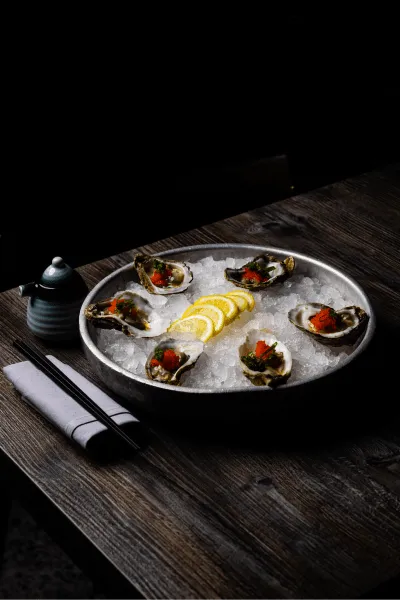



What to Look for When Choosing an Omakase Experience in San Diego
What to Look for When Choosing an Omakase Experience in San Diego
Choosing an omakase experience is different from choosing a regular sushi restaurant. Instead of ordering from a menu, you let the chef decide what to serve based on the freshest ingredients available. This chef-led style of dining has become popular among diners in the US who enjoy trying seasonal dishes and experiencing Japanese cuisine in a more personal way.
San Diego has many omakase options, from intimate sushi counters to high-end tasting experiences. Each restaurant can offer a different style, menu, and price range. The quality of the fish, sushi rice, chef's technique, and course selection can all make a difference in your experience.
Before booking, look at what is included in the omakase menu, how many courses are served, and whether the restaurant can accommodate your dietary preferences. It is also worth checking the seating style, dining time, reservation policy, and total cost so you know what to expect when you arrive.
What Is Omakase?
Omakase is a Japanese phrase that roughly means "I leave it up to you." In a restaurant, it means you let the chef decide what you eat. Instead of ordering dish by dish, you receive a series of courses chosen by the chef, usually served one at a time and often in a deliberate sequence.
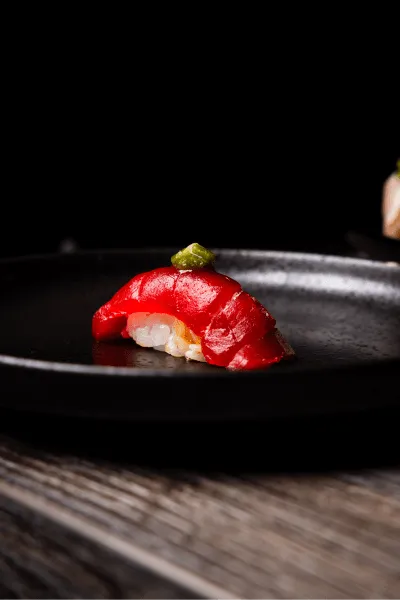
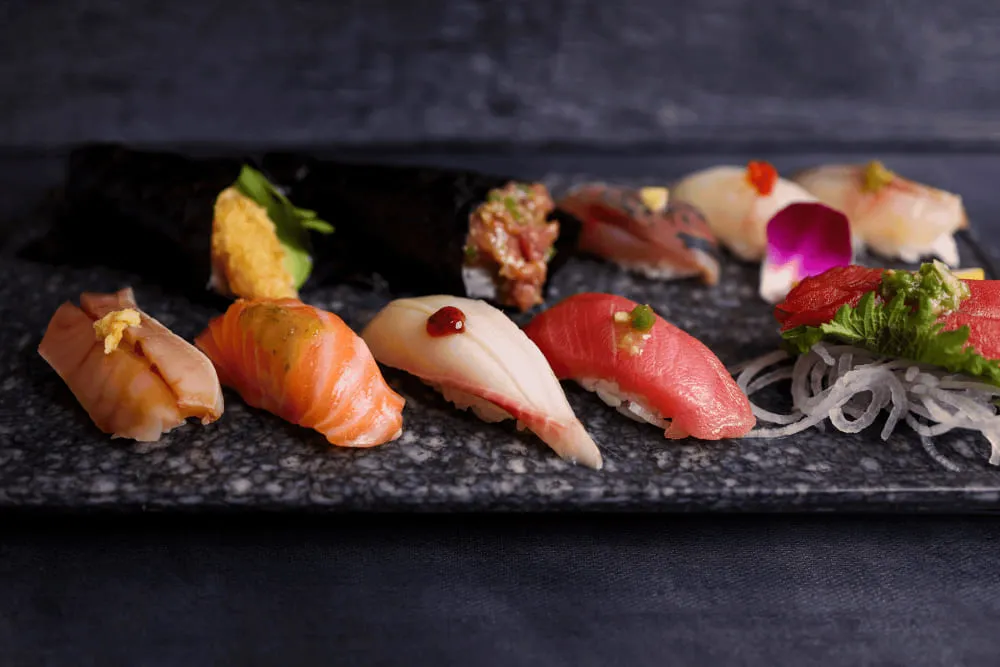
At a sushi restaurant, an omakase meal commonly centers on nigiri, which is a small portion of seasoned rice topped with fish or other seafood. It may also include sashimi, small appetizers, a cooked dish, and a sweet finish. The chef often serves each piece directly to you and may suggest how to eat it, with or without soy sauce, for example.
The menu can change from night to night. Chefs buy what looks best that day and what is in season, so two visits a few weeks apart may not look the same. That is a big difference from ordering à la carte, where the menu stays fixed and you control every choice. Omakase trades control for the chance to eat what the chef considers best at that moment.
If you want to see how a restaurant describes its format, an omakase experience in San Diego page can be a useful reference point for what is typically included.
What Makes a Good Omakase Experience?
A good omakase experience is about more than just fresh fish. The rice, preparation, menu, chef's technique, and overall balance of the meal all play an important role.
- The fish should have a clean taste, pleasant aroma, and the right texture for its variety. Freshness matters, but proper handling and preparation are equally important.
- The rice should have the right balance of temperature, texture, and seasoning. Even high-quality fish can lose its appeal when the rice is poorly prepared.
- Different types of fish require different preparation methods. Some are best served fresh, while others benefit from careful aging to develop deeper flavour and a softer texture.
- A strong omakase menu often changes with the season. This allows the chef to serve ingredients when they are at their best.
- The courses should have a natural flow, with different flavours, textures, and preparations building throughout the meal rather than feeling repetitive.
- A chef who can explain the fish, ingredients, and preparation methods can give you a better understanding of what makes the meal special. This is also a useful point to consider when comparing options for San Diego sushi.
The Chef's Experience and Technique
The chef plays a major role in shaping an omakase experience. Their knife skills, preparation methods, timing, and attention to detail can change how each piece tastes and feels.
- The way fish is cut can affect its texture and flavour. The thickness and angle of each cut should suit the type of fish being served.
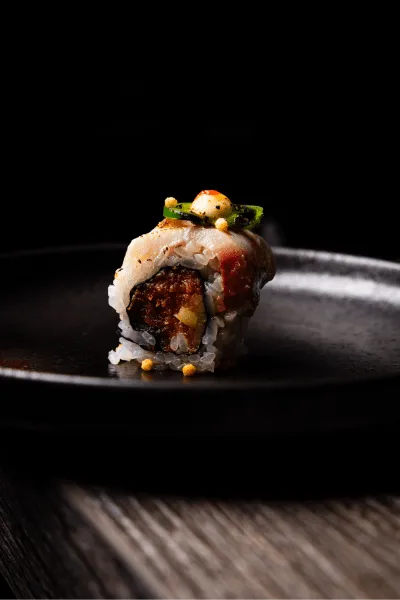
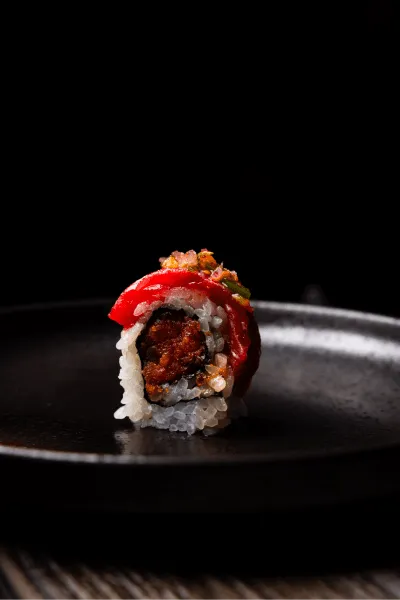
- Techniques such as searing, curing, and marinating can bring out flavours that may not be present in raw fish alone.
- The chef should shape the rice carefully and serve it at the right temperature with balanced seasoning.
- Nigiri is best enjoyed soon after it is prepared. Serving each piece at the right moment helps preserve its texture, temperature, and flavour.
- Some chefs explain each course, while others prefer to focus quietly on preparation. Either style can work as long as you feel comfortable asking questions and the chef remains attentive to your experience.
Why Sushi Rice Matters
Many first-time diners assume the fish is the whole story. Experienced sushi lovers will often tell you the rice is just as important.
Good sushi rice is seasoned, usually with a blend of vinegar, salt, and sometimes sugar, and it is served close to body temperature. Warm rice with cool fish creates a contrast that makes the fish taste more vivid. Cold, hard rice or overly sticky, mushy rice can flatten the whole piece.
Texture is the other key point. Well-made nigiri holds together when you pick it up but loosens gently in your mouth, with grains that remain distinct rather than packed into a paste. The balance between rice and fish matters as well. If the rice overwhelms the topping, or the topping is too large for the rice, the bite feels off. If the rice is memorable in a good way, it usually means the kitchen cares about fundamentals.
Seasonal Ingredients
Seafood has seasons, and good omakase menus tend to reflect that. Certain fish are at their best at particular times of year, and availability can shift with weather, fishing conditions, and supply. That is why a chef may swap an item at the last minute or change the menu from one week to the next.
As a diner, expect some variation. If a restaurant serves a fixed lineup year-round, that is not automatically a problem, but it is worth asking how they decide what to serve.
It also helps to be realistic. Seasonal does not automatically mean better. A well-run kitchen can serve excellent fish in any season, and a menu labeled "seasonal" can still be mediocre. Treat it as one useful signal among several, not a guarantee.
Menu Variety and Course Progression
A well-designed omakase has a shape. It often begins with lighter courses, such as small appetizers or sashimi, then moves toward nigiri, and may include a cooked dish or a more specialized preparation along the way. Many meals end with a hand roll, miso soup, or dessert.
Progression matters because flavors build. Delicate white fish usually comes before richer, fattier cuts, so the lighter flavors are not lost. A meal that jumps between heavy and light without a plan can feel tiring, while one that is paced well keeps your attention from the first bite to the last.
Pacing is part of this too. Courses that arrive too quickly can feel rushed, and long gaps can break the rhythm. When you are looking at a restaurant's sushi menu, check how it describes the number and type of courses, since that gives you a sense of how the meal is structured.
Consider the Restaurant Atmosphere
The atmosphere changes how omakase feels, and the right choice depends on what you want from the night.
A sushi counter puts you close to the chef. You can watch each piece being prepared, ask questions, and eat it the moment it is served. This is often the most engaging format for people who are curious about technique. The tradeoff is that the room can feel more formal or quiet, and you are sitting next to strangers.
Table seating can feel more relaxed and private, which suits conversation and celebrations. You may lose some of the direct interaction with the chef, though.
Other things to consider include noise level, lighting, and how intimate the space feels. A birthday or anniversary dinner may call for something calm and a little upscale. A casual evening with friends might be better in a livelier setting. Neither is wrong. Check photos, read recent descriptions, or simply call and ask what the room is like before you commit, since atmosphere is hard to judge from a menu.
Understand Omakase Pricing Before Booking
Omakase prices vary widely, and the headline number is rarely the full cost. Before you reserve, find out:
- The base price per person. Confirm that it is current, since menus and prices change.
- The number of courses. Two menus at the same price can include very different amounts of food.
- Beverage costs. Drinks, including sake, beer, and wine, can add significantly to the total.
- Pairings. If a sake pairing is available, ask what it includes and what it costs.
- Tax and gratuity. Some restaurants add service charges, and others leave tipping to you.
- Supplements. Premium ingredients or upgrades may cost extra.
- Cancellation policy. Many omakase restaurants hold a limited number of seats and may charge for late cancellations or no-shows.
Looking at a restaurant's current menu can help you see how an omakase is typically described and priced, but always confirm details directly before you book, because they can change.
Ask About Dietary Restrictions and Allergies
Omakase is built around the chef's plan, which makes changes harder than at a restaurant where you order your own dishes. If you have a seafood allergy, a shellfish allergy, a gluten restriction, a vegetarian diet, or any other requirement, tell the restaurant when you book, not when you sit down.
Soy sauce commonly contains wheat, so gluten can be an issue even when the sushi itself looks safe. Shellfish and fish allergies are the hardest to work around in a menu that is mostly seafood.
Some restaurants can adjust a menu with advance notice, and some cannot, especially for strict restrictions. Do not assume every omakase restaurant can accommodate every request. A clear, honest answer when you ask is a good sign, and if the restaurant cannot meet your needs, it is better to know before you arrive.
Location Matters When Choosing Omakase in San Diego
San Diego is spread out, and sushi and Japanese restaurants are scattered across the county. You can find options in places like Convoy, downtown, Little Italy, La Jolla, Pacific Beach, University Heights, Del Mar, and North County, and the experience of getting there differs.
Think practically. How far are you willing to drive? Is parking easy, or will you need to budget extra time? If you plan to have sake or wine with dinner, is a rideshare or public transit realistic?
Neighborhood also affects the rest of the evening. A restaurant near the coast might pair well with a sunset walk beforehand, while one in a dense urban area might make it easy to have drinks nearby afterward. If you are visiting, choosing somewhere close to where you are staying removes one source of stress. Accessibility is worth checking too, including stairs, seating type, and restroom access, if that matters to you or your group.
How Long Does an Omakase Experience Take?
There is no single answer. Omakase is meant to be enjoyed at a deliberate pace, and the length depends on several things: the number of courses, how the chef paces the service, the format of the restaurant, how many guests are seated together, and whether you are having a beverage pairing.
Some meals are relatively compact, while others stretch over a longer evening. Instead of guessing, ask the restaurant how long a typical seating lasts and plan around it. If you have a show to catch or a babysitter waiting, that is worth knowing before you arrive.
Is Omakase Good for First-Time Sushi Diners?
Yes, with some preparation. Omakase can be a good introduction because the chef guides you through the meal and you do not need to know what to order. It can also be intimidating if you are not sure what to expect.
Here is what helps most:
- Share your preferences. If there is something you dislike or are unsure about, say so when you book or when you sit down. Chefs would rather know than serve something you will leave behind.
- Keep an open mind. You may be served a fish you have never tried. Take a bite before deciding.
- Ask questions. It is completely acceptable to ask what a piece is, how to eat it, or why it is prepared a certain way. Most chefs enjoy the conversation.
- Communicate allergies early. This is the one thing that should never wait until the meal begins.
- Understand the menu first. Know what is included, what it costs, and how long it will take.
If you want to see how a restaurant explains the format to newcomers, you can learn more about an omakase experience before you decide whether it fits you.
How to Choose the Right Omakase Experience in San Diego
When everything starts to blur together, it helps to rank what matters most to you.
Choose Based on Food Quality
Look for restaurants that talk clearly about their fish, rice, and preparation. Pay attention to how they describe seasonality, and be cautious of vague or exaggerated claims.
Choose Based on the Chef
Technique and interaction shape the meal. Decide whether you want a chef who explains each course or one who works quietly, and consider how comfortable you would be asking questions.
Choose Based on Budget
Understand the total cost, not only the base price. Add drinks, tax, gratuity, and any supplements so you know what you are committing to.
Choose Based on Atmosphere
A counter seat offers closeness and a view of the work, while a table may feel more private. Match the setting to the occasion.
Choose Based on Location
A restaurant you can reach easily, with reasonable parking or transport, makes for a calmer evening. Convenience counts more than it seems.
Choose Based on Your Experience Level
Beginners may want a restaurant that welcomes questions and explains the format. Experienced diners may care more about specific fish, aging methods, or a more traditional style.
Final Thoughts
Choosing omakase in San Diego is not about finding the highest price or the most popular name. The right choice depends on the quality of the ingredients, the skill of the chef, the care put into the rice, how the menu unfolds, the atmosphere, your budget, the location, and what you personally enjoy.
Take a little time to ask questions, read the details, and be honest about your preferences and restrictions. A good omakase should feel well paced and welcoming, whether it is your first time or your twentieth. When you are ready to compare formats, you can explore an omakase experience in San Diego and see how the details line up with your checklist.
Frequently Asked Questions