


What to Order at a Sushi Restaurant: Complete Guide for Beginners
A Beginner’s Guide to Ordering at a Sushi Restaurant
This guide explains what to order at a sushi restaurant, from beginner-friendly rolls to nigiri, sashimi, premium options, and Japanese dishes beyond sushi. At Glass Box SD, you can find these classic options alongside specialty rolls and other Japanese dishes. Its happy hour menu also provides an opportunity to explore sushi San Diego diners can enjoy in a casual setting.
First, Understand the Four Main Sushi Categories
Knowing the basic formats makes a sushi menu easier to navigate. Start with these four:
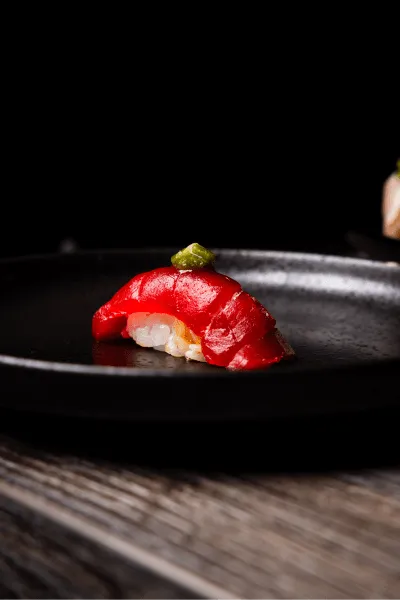
- Nigiri is a small portion of seasoned sushi rice topped with a slice of fish or seafood. Salmon, yellowtail, tuna, and shrimp are common choices. Because there are few additional ingredients, nigiri lets you focus on the fish's flavor and texture.
- Sashimi is sliced raw fish or seafood served without rice. It is a good choice when you want to focus on one specific type of fish.
- Maki rolls combine rice, fillings, and seaweed, then are sliced into individual pieces. California, spicy tuna, and shrimp tempura rolls are common choices for beginners.
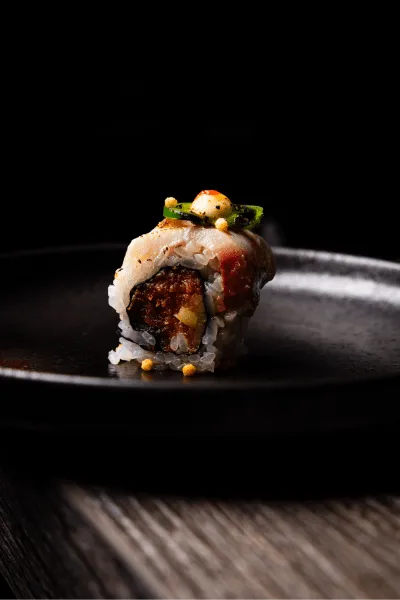
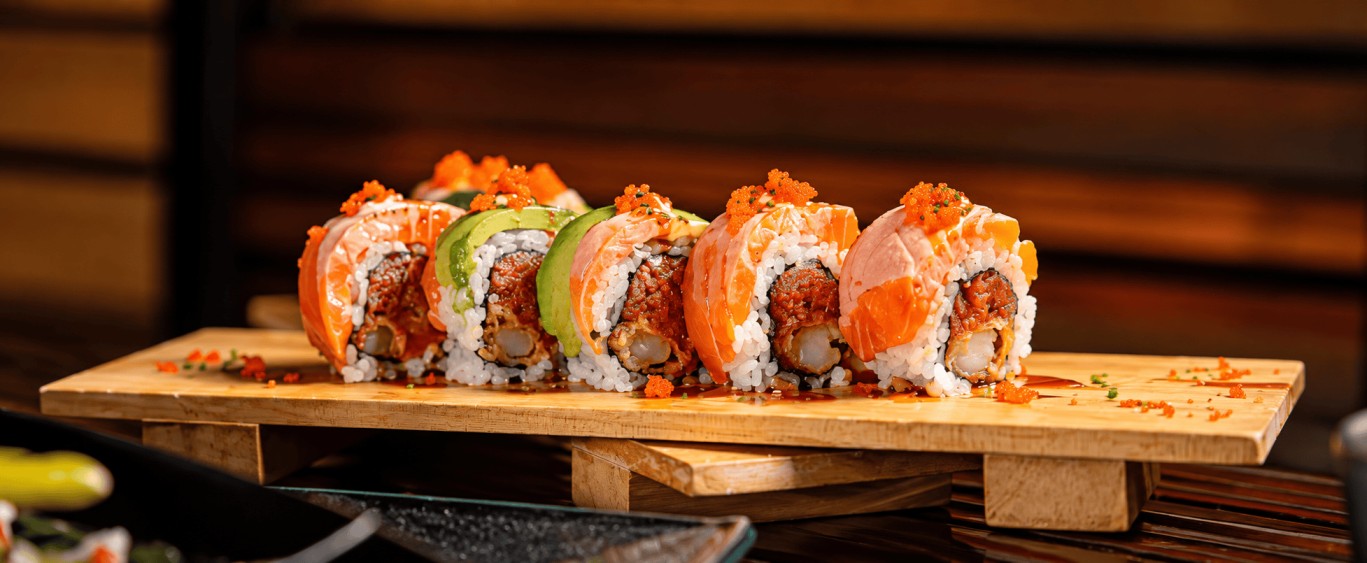
- Specialty rolls combine multiple ingredients, sauces, toppings, and different preparation styles. They are a good option once you know which flavors and ingredients you enjoy.
The Beginner Order: Start With Familiar Flavors
If you are new to sushi, you do not need to start with raw fish. Build your first order with familiar dishes and add new options as you become more comfortable.
1. Miso Soup
Miso soup is a simple way to start the meal. It is typically made with miso broth and ingredients such as tofu, seaweed, and green onions. Some restaurants also offer richer or specialty versions.
2. Edamame
Edamame is an easy shared starter while you decide on the rest of your order. The steamed soybeans are usually served with salt and work well for the whole table.
3. Classic Rolls
Start with one or two familiar rolls before moving to more complex combinations.
- California Roll: Krab, cucumber, and avocado. It is a mild option and typically does not contain raw fish.
- Shrimp Tempura Roll: Cooked shrimp tempura combined with ingredients such as krab, avocado, and eel sauce. The crispy texture makes it approachable for first-time sushi diners.
- Spicy Tuna Roll: A good next step if you are ready to try raw fish. It typically combines tuna with cucumber and spicy mayo.
At Glass Box SD, you can find these classic options alongside specialty rolls and other Japanese dishes. Its happy hour menu also provides an opportunity to try selected rolls at reduced prices.
Step Two: Move Into Nigiri and More Complex Rolls
Once you know which flavors you like, try individual pieces of nigiri or a more detailed specialty roll. These options give you a better sense of different fish, textures, and preparations.
Intermediate Rolls Worth Trying
After classic rolls, these options offer more ingredients and contrasting flavors.
- Rainbow Roll: A California roll-style base topped with several types of fish and avocado. It gives you an opportunity to try multiple flavors in one roll.
- Dragon Roll: Often made with shrimp tempura inside and eel and avocado on top, finished with eel sauce. It is a richer option for anyone who enjoyed shrimp tempura rolls.
- Philadelphia Roll: Salmon, cream cheese, and avocado. The combination is mild and familiar, making it another approachable option for diners getting used to raw salmon.
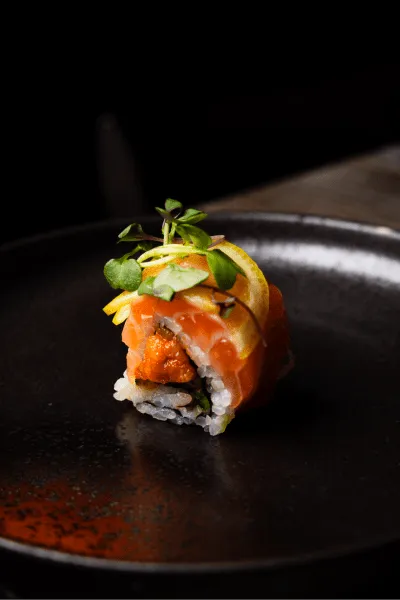
The best places to eat in San Diego offer plenty of variety beyond basic rolls, and the Glass Box menu includes signature creations such as the 3 Way Salmon Roll, Mermaid Roll, and Rosarito Roll. Once you have a few familiar favourites, specialty rolls are a good way to explore different combinations.
Step Three: Try Premium Sushi Options
Once you are comfortable with standard rolls and nigiri, you can explore richer and more distinctive ingredients:
- Toro: Toro is fatty tuna taken from the belly of the fish. Its higher fat content gives it a soft, rich texture. It can be ordered as nigiri or sashimi.
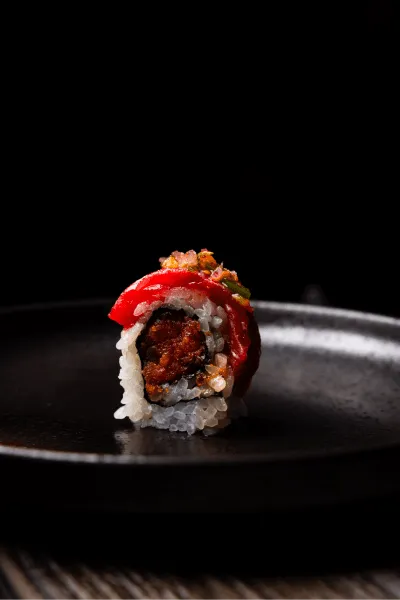
- At Glass Box, Toro is available as nigiri and is also featured in the Bluefin Toro Uni Roll, which combines bluefin, uni, and tobiko.
- Uni: Uni is sea urchin roe with a creamy texture and distinct ocean flavor. If you are trying it for the first time, one piece of uni nigiri is enough to decide whether you like it.
- A5 Wagyu Nigiri: This combines Japanese A5 Wagyu with the nigiri format. Its rich texture makes it very different from traditional fish-based sushi and provides another option for diners interested in premium ingredients.
- Omakase: Omakase means the chef selects the dishes for you. It can be a useful option when you want to try several preparations without choosing each course yourself. If you want to explore omakase in San Diego, the Glass Box Experience Omakase is listed at $55 per person.
Look Beyond Sushi
A Japanese restaurant can offer much more than rolls and nigiri. Adding a few non-sushi dishes can also make the meal easier to share.
Crispy Rice
Crispy rice combines fried sushi rice with toppings such as spicy tuna, spicy mayo, and eel sauce. At Glass Box, the Hanabi "Crispy Rice" is designed as a shareable option.
Robata Grill
Robata refers to Japanese-style charcoal grilling. Depending on the menu, options can include chicken, pork belly, Wagyu and other grilled proteins.
At Glass Box, the robata menu includes options such as pork belly skewers, chicken thigh, Wagyu filet, and Grilled Galbi.
Karaage
Karaage is Japanese-style fried chicken. It is a useful choice for diners who prefer cooked food or want something different from sushi.
Sashimi Salad
A sashimi salad combines raw fish with greens and other toppings. It can work as a lighter starter or part of a larger shared meal.
Practical Tips for Ordering Sushi
A few basic rules can make your first sushi meal more comfortable:
- Soy sauce and wasabi: Use soy sauce lightly. For nigiri, dip the fish side rather than the rice so the rice does not absorb too much sauce or fall apart. Wasabi can be added directly to the fish based on your preference.
- Ginger: Pickled ginger is traditionally used between different pieces to refresh your palate. It is not usually eaten as a topping.
- How much to order: Start with a moderate amount and add more if needed. For one person, two rolls with four to six pieces of nigiri can be a substantial meal, especially when paired with a starter or shared dish.
- Ask your server: If you do not recognise an ingredient, ask. The staff can explain the fish, preparation, portion size, and flavor profile so you can choose with more confidence.
- Reservations: For weekend dining or larger groups, making a reservation in advance can help you avoid a long wait.
Ready to Order?
You do not need to know the entire sushi menu before your first visit. Start with familiar rolls, try one or two types of nigiri, and gradually explore new fish and preparations based on what you enjoy.
Glass Box SD offers a broad menu that covers classic rolls, nigiri, sashimi, specialty rolls, robata, premium ingredients, and omakase. That range makes it possible to keep your order simple or explore more adventurous options as your preferences develop.
Frequently Asked Questions