


Why California Rolls Are a Must-Try for Sushi Lovers
Why California Rolls Are a Must-Try for Sushi Lovers
Ask someone to name a sushi roll and there's a good chance the California Roll will be one of the first answers. It's familiar, approachable, and easy to enjoy, making it a popular choice for both first-time sushi diners and people who already know their way around a sushi menu.
The appeal is straightforward. A California Roll combines creamy avocado, crisp cucumber, and crab or imitation crab with seasoned sushi rice and nori. Unlike many sushi dishes centered around raw seafood, a typical California Roll contains no raw fish, which makes it an easy starting point for diners who aren't ready to try sashimi or raw fish rolls.
But there's more to the California Roll than its familiar ingredients. Its inside-out construction, American origins, and simple combination of textures helped it become one of the most recognizable sushi rolls outside Japan.
In San Diego, where sushi is a popular part of the local dining scene, California Rolls continue to appear alongside traditional sushi and more elaborate specialty rolls. Whether you're trying sushi for the first time or simply looking for a reliable favorite, here's what makes the California Roll worth ordering.
What Is a California Roll?
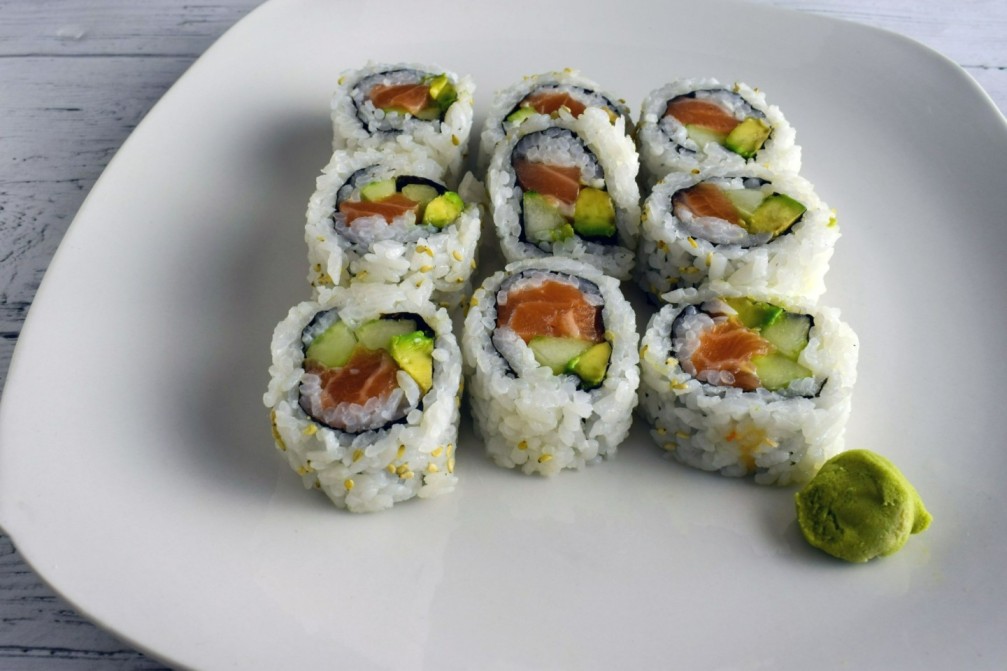
A California Roll is a type of maki sushi made with sushi rice, nori, crab or imitation crab, avocado, and usually cucumber. What sets it apart from many traditional maki rolls is the way it is assembled.
Instead of placing the nori on the outside, the California Roll is typically made using an inside-out style called uramaki, with the rice on the outside and the nori surrounding the filling.
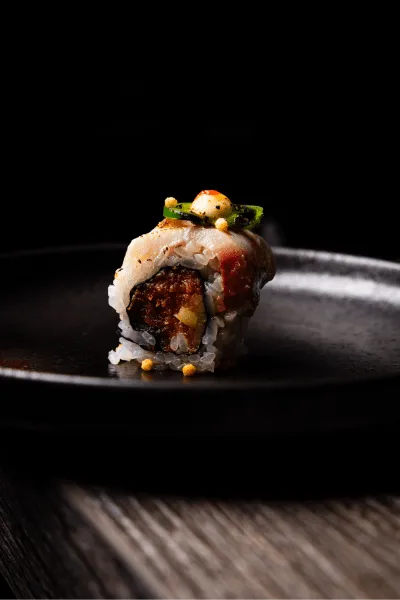
That construction gives the roll its familiar appearance. The outside is often finished with sesame seeds, while some restaurants use tobiko, or flying fish roe, as a colorful topping.
Rather than being a direct replacement for a traditional raw-fish roll, the California Roll is better understood as an adaptation that helped make sushi more approachable to a new audience.
Its inside-out construction also helped diners who were unfamiliar with nori feel more comfortable trying sushi. Instead of seeing seaweed on the outside, they encountered a layer of seasoned rice with familiar ingredients inside.
What Are the Ingredients in a California Roll?
A California Roll usually relies on a small group of ingredients. The exact recipe can vary between restaurants, but these are the components you'll commonly find:
- Sushi rice: Short-grain rice seasoned with rice vinegar, sugar, and salt. Good sushi rice should hold together without becoming gummy.
- Nori: A sheet of dried seaweed used to wrap the filling. In a California Roll, the nori is generally placed inside the rice.
- Avocado: Adds a creamy texture and mild richness that balances the other ingredients.
- Cucumber: Provides freshness and a crisp texture that contrasts with the soft avocado and rice.
- Crab or imitation crab: Some restaurants use real crab, while many use imitation crab, also known as kanikama. Both versions are common.
- Sesame seeds: Often sprinkled over the outside of the rice for texture and a mild nutty flavor.
- Tobiko: Flying fish roe may be used as a topping for color and texture, although it isn't a required ingredient.
Because there isn't one universal recipe for a California Roll, the experience can vary from one restaurant to another. Some versions are deliberately simple, while others include sauces, additional toppings, or different proportions of the core ingredients.
Why Are California Rolls So Popular?
The California Roll's popularity comes down largely to its approachable combination of flavor, texture, and ingredients.
The soft sushi rice, creamy avocado, crisp cucumber, and mild crab create a balanced bite without the stronger flavors that some first-time sushi diners may associate with raw seafood.
For someone who hasn't tried sushi before, that can make a significant difference. Sashimi and nigiri can feel like a big first step, particularly for diners who aren't accustomed to raw fish. A California Roll provides a way to experience sushi rice, nori, rolling techniques, and Japanese-inspired flavors without starting with raw seafood.
It's also a convenient choice for groups. When several people are ordering together, not everyone necessarily has the same comfort level with sushi. A California Roll can give less adventurous diners an approachable option while others at the table explore more traditional or specialty dishes.
Over time, the roll has become much more than an introduction to sushi. It is now a familiar menu item in its own right, appearing everywhere from casual sushi counters to full-service Japanese restaurants.
California Roll vs. Dragon Roll
The California Roll and Dragon Roll are both popular choices, but they offer different flavor and texture experiences.
A California Roll generally features crab or imitation crab, avocado, and cucumber. Its flavor is mild and slightly sweet, with creamy avocado and crisp cucumber providing most of the textural contrast.
A Dragon Roll is typically more elaborate. Depending on the restaurant, it may include eel, shrimp tempura, or other cooked ingredients. Avocado is often layered across the top, and sweet eel sauce is a common finishing touch.
The difference becomes especially noticeable in texture. A California Roll is relatively soft, cool, and simple, while a Dragon Roll may combine crunchy tempura with creamy avocado and a richer sauce.
If you're new to sushi, the California Roll can be the gentler introduction. Once you're comfortable with those flavors and textures, a Dragon Roll is an easy next step for something richer and more elaborate.
California Roll vs. Traditional Sushi
The California Roll is part of the broader maki sushi category, but it's different from several other common sushi preparations.
Nigiri: Nigiri consists of vinegared rice topped with a slice of seafood, often raw fish. The seafood is the main focus, with relatively little added filling or sauce.
Sashimi: Sashimi is thinly sliced raw fish or seafood served without rice. Because sushi is defined by the use of vinegared rice, sashimi is technically not sushi.
Maki: Maki is a broad category of rolled sushi made with rice, nori, and fillings. Traditional maki often places the nori on the outside, while the California Roll uses the inside-out uramaki format.
Hand rolls: Also called temaki, hand rolls are cone-shaped sushi made to be eaten by hand. They're best enjoyed soon after preparation while the nori is still crisp.
Compared with these options, the California Roll is generally one of the more approachable choices for new sushi diners. It uses familiar ingredients and typically contains no raw fish while still introducing the basic elements of rolled sushi.
Are California Rolls Healthy?
Whether a California Roll is a healthy choice depends on its ingredients, portion size, preparation, and toppings.
Sushi rice provides most of the carbohydrates, avocado contributes fat, and crab or imitation crab provides protein. The nutritional profile can differ depending on whether a restaurant uses real crab or imitation crab.
Imitation crab is a processed seafood product and can contain added starch and more sodium than real crab. That doesn't automatically make it a poor choice, but it is useful to know when comparing different versions.
Toppings and sauces can also make a significant difference. A simple California Roll made with rice, crab, avocado, and cucumber will have a different nutritional profile from one covered in spicy mayo, eel sauce, tempura crunch, or other rich toppings.
Portion size matters as well. One roll as part of a balanced meal is different from ordering several rolls with fried toppings and sauces.
So rather than labeling every California Roll as either healthy or unhealthy, it's more useful to consider how the roll is prepared and what else you're eating with it. Diners with specific dietary requirements should check ingredient information with the restaurant.
What Makes a Great California Roll?
A great California Roll doesn't need excessive toppings or complicated presentation. The quality usually comes down to a few basic details:
- Fresh ingredients: Avocado should be ripe, cucumber should be crisp, and the crab or imitation crab should be properly prepared and stored.
- Well-seasoned rice: Sushi rice should have a balanced vinegar flavor and a texture that holds together without becoming sticky or gummy.
- Balanced filling: The avocado, cucumber, and crab should complement each other rather than allowing one ingredient to dominate.
- Good texture: A well-made roll should give you creamy avocado, crisp cucumber, tender filling, and properly prepared rice in the same bite.
- Careful preparation: The roll should stay together when sliced, with the filling distributed evenly rather than concentrated in one section.
- Clean presentation: Even cuts and a simple finish of sesame seeds or tobiko can add visual appeal without overwhelming the ingredients.
These details may seem small, but they can make the difference between an average California Roll and one that's genuinely satisfying.
Where to Enjoy California Rolls in San Diego
San Diego offers plenty of options for sushi, from casual neighborhood restaurants to full-service dining destinations. When choosing where to order a California Roll, ingredient quality and preparation are usually more important than simply choosing the restaurant with the largest menu.
Start with the basics. Properly seasoned sushi rice, fresh avocado, crisp cucumber, and well-prepared crab can tell you a lot about the care that goes into a roll.
The dining environment also matters, especially if you're introducing someone to sushi for the first time. A comfortable atmosphere and staff who can explain menu options can make the experience much easier for someone who isn't familiar with sushi.
Glass Box in San Diego is one local option for diners looking to explore sushi, with California Rolls available alongside other sushi selections. Before visiting, checking the current menu is a good way to see the available rolls and ingredients.
Conclusion
The California Roll has remained a sushi favorite for decades because it offers an approachable combination of familiar flavors, contrasting textures, and a simple presentation.
With sushi rice, nori, avocado, cucumber, and crab or imitation crab, it typically contains no raw fish, making it an accessible choice for people who are new to sushi. Its inside-out uramaki construction also gives it a distinctive place among maki rolls.
For first-time sushi diners, it can be an easy place to begin. For experienced sushi lovers, it remains a familiar option that doesn't need to be complicated to be enjoyable.
And once you've found your favorite California Roll, there's a whole range of sushi to explore next, from nigiri and sashimi to hand rolls and specialty creations.
If you're looking to try California Rolls and other sushi options in San Diego, check the Glass Box menu for its current selections.
Frequently Asked Questions