


Japanese Robata Grill vs. Regular Grilling: What’s the Difference?
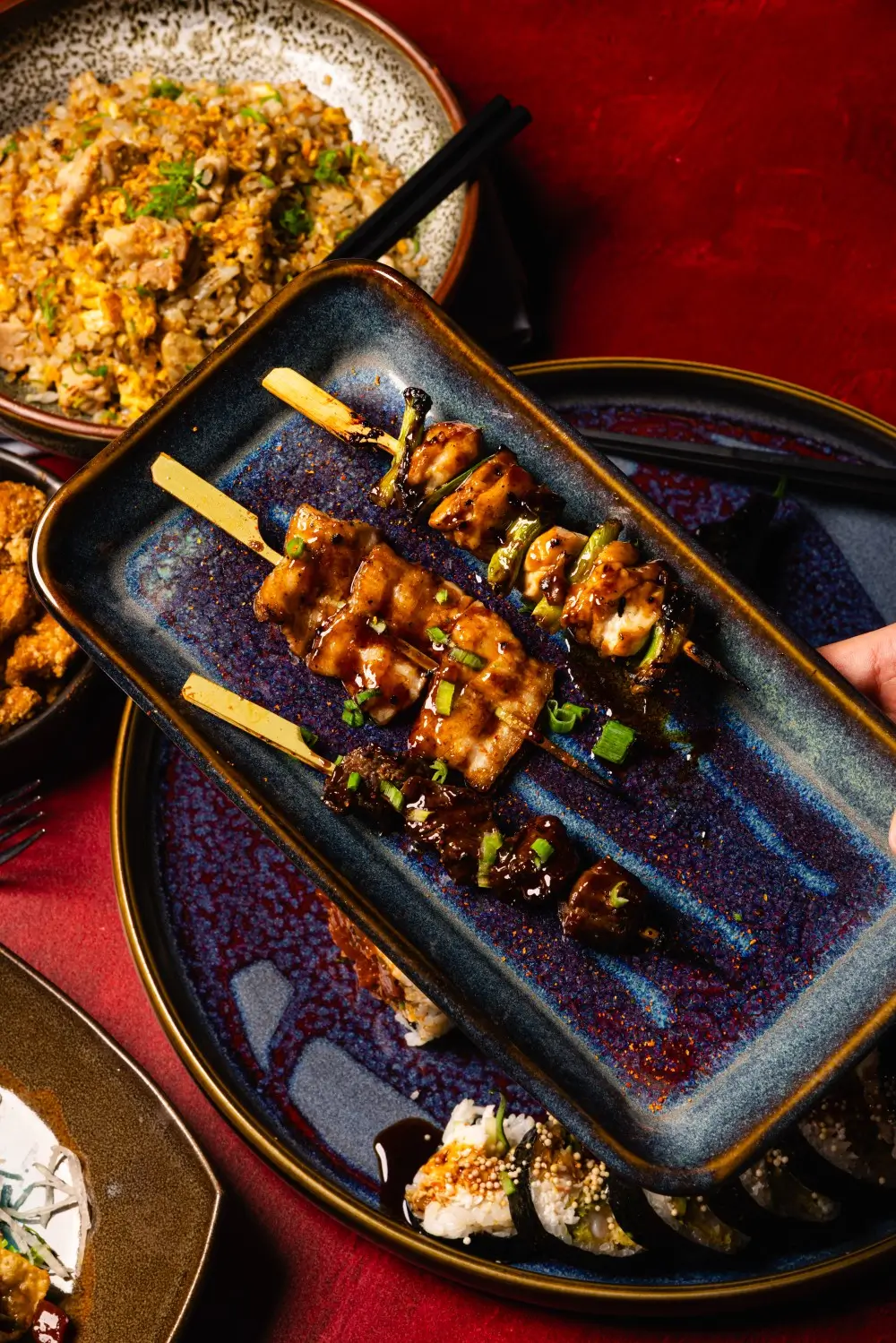
Have you ever wondered whether a Japanese robata grill and a regular grill are actually different? At first glance, both cooking methods may seem similar because they use heat to cook meat, seafood, and vegetables. However, the cooking tradition, heat source, and techniques can create different cooking experiences.
The confusion often comes from the fact that both methods can produce smoky aromas, browned surfaces, and delicious grilled food. The main difference is that regular grilling is a broad cooking method, while robata grilling is rooted in a traditional Japanese charcoal-grilling style.
In this guide, we’ll explain what regular grilling is, what a Japanese robata grill does, and how the two compare. You’ll also learn which ingredients work well with each method and what to consider when choosing grilled dishes.
What Is Regular Grilling?
Regular grilling is a cooking method in which food is cooked on or over a heated surface or grate. The heat usually comes from gas, charcoal, or electricity, depending on the grill. It is widely used for cooking everything from burgers and steaks to seafood and vegetables.
Regular grilling is popular because it is versatile, relatively straightforward, and suitable for a wide range of ingredients and cooking styles.
Common characteristics of regular grilling:
- Heat sources: Gas, charcoal, or electricity, depending on the equipment.
- Ingredients: Meat, poultry, seafood, vegetables, and other grill-friendly foods.
- Cooking techniques: Direct heat for searing and faster cooking, or indirect heat for slower cooking.
- Flavor: Can range from a clean, lightly browned taste to a pronounced smoky flavor, depending on the fuel and technique.
- Temperature control: Gas and electric grills often allow convenient adjustments, while charcoal grilling may require managing the fuel, airflow, and distance from the heat.
Regular grilling can be used for everyday meals, outdoor barbecues, and a variety of international cuisines. The final flavor and texture depend on the grill, ingredients, seasoning, and cooking technique.
What Is a Japanese Robata Grill?
A Japanese robata grill is associated with robatayaki, a Japanese style of cooking food over charcoal. The term “robata” is commonly linked to a traditional hearth-style cooking approach, in which ingredients are grilled over glowing charcoal.
Unlike regular grilling, which describes a broad range of cooking methods, robata refers to a particular Japanese culinary tradition. Robata-style cooking often emphasizes the natural flavor of the ingredients, careful heat management, and the aroma that charcoal can contribute.
Common characteristics of a Japanese robata grill:
- Heat source: Traditionally, charcoal provides the heat and contributes to the grilled aroma.
- Ingredients: Seafood, fish, chicken, beef, pork, and vegetables can all be prepared robata-style.
- Cooking technique: Ingredients are positioned and turned as needed to manage their exposure to the heat.
- Flavor: The combination of charcoal, browning, seasoning, and ingredient quality can create a savory, smoky character.
- Temperature control: The cook manages the distance from the coals, placement of ingredients, and cooking time to avoid overcooking.
Robata grilling is not limited to one specific ingredient. It can be used for delicate seafood, meat, and vegetables, with the cooking approach adjusted to suit each food.
Japanese Robata Grill vs. Regular Grilling: Key Differences
Although both methods cook food with heat, there are several differences in their culinary approach.
The main takeaway: Robata grilling is a specific style within the broader world of grilling. The distinction is not simply that one method creates smoky food and the other does not; both charcoal grilling and robata grilling can produce smoky flavors.
Which Foods Work Best on a Robata Grill?
Robata-style cooking works with a variety of ingredients. The best choices depend on the food’s texture, thickness, fat content, and how much heat it can handle.
1. Seafood and Fish
Fish, shrimp, scallops, and other seafood can work particularly well on a robata grill. Careful heat management helps cook delicate ingredients without drying them out, while the charcoal can add another layer of aroma.
2. Chicken and Other Meats
Chicken, beef, and pork can be grilled robata-style. Smaller cuts and skewered ingredients allow cooks to manage cooking time and exposure to heat. Marinades and sauces may be used, but simple seasoning can also let the natural flavors stand out.
3. Vegetables
Mushrooms, eggplant, peppers, asparagus, and other vegetables can develop appealing browning when grilled. Their natural sweetness and texture may become more pronounced as the surface cooks.
For more context on how grilled chicken can be paired with Japanese dishes, see Chicken Skewers and Sushi: The Perfect Pairing for a Flavorful Meal.
When Is Regular Grilling the Better Choice?
Regular grilling is a practical option when flexibility, convenience, or a particular cooking setup matters most. Different grill types offer different benefits, so the best choice depends on the meal and available equipment.
- For everyday cooking: Gas and electric grills can be convenient for preparing quick meals.
- For outdoor barbecues: Regular grills can accommodate larger portions and a broad range of foods.
- For different cooking styles: Direct and indirect heat can support everything from quick searing to slower cooking.
- For flexible flavor: Cooks can choose gas, charcoal, seasonings, marinades, or wood-smoking techniques to achieve different results.
Regular grilling is not inherently less flavorful than robata grilling. A charcoal grill, for example, can also create smoky aromas and a deeply browned surface.
How Do You Choose Between Robata and Regular Grilling?
Neither method is automatically better in every situation. The right choice depends on the ingredients, preferred flavor, cooking equipment, and overall dining experience you want.
- Choose robata-style grilling if you are interested in Japanese grilling traditions, charcoal-cooked ingredients, and a cooking approach that emphasizes careful heat management.
- Choose regular grilling if you want a broad, adaptable method that works with different grill types, cuisines, and cooking needs.
It is also worth remembering that the grill alone does not determine the quality of a dish. Ingredient freshness, seasoning, cooking time, and the skill of the cook all play important roles.
Conclusion
The difference between a Japanese robata grill and regular grilling comes down to the cooking tradition, equipment, and technique. Regular grilling covers many methods and heat sources, while robata grilling is rooted in Japanese charcoal-grilling traditions and emphasizes careful cooking over the heat.
Both methods can produce flavorful dishes when the ingredients and cooking technique are well matched. Understanding the distinction makes it easier to appreciate how different grilling styles influence the flavor, texture, and preparation of your favorite foods.
Frequently Asked Questions